

Choosing a workout style can feel overwhelming when every trend promises faster results and better motivation. The truth is that most approaches work when they fit your lifestyle, your body, and your preferences. Some people thrive on intensity and structure, while others prefer gentle movement or variety. Understanding popular workout styles makes it easier to pick an option that feels enjoyable and sustainable. When exercise matches your personality and goals, consistency becomes simpler, and progress feels more natural.
HIIT Workouts
HIIT, or high-intensity interval training, alternates short bursts of hard effort with brief recovery periods. A session might include 20 to 40 seconds of intense movement, such as sprinting, jumping, or cycling, followed by a slower pace or rest. Because work intervals are challenging, workouts are usually shorter and can be completed in 15 to 30 minutes.
HIIT is popular for improving cardiovascular fitness and building endurance efficiently. It can also feel motivating for people who like quick, structured sessions. However, intensity can be demanding on joints and recovery, especially for beginners. Modifications and proper warmups matter. HIIT works best when balanced with lower-intensity days and enough rest to avoid burnout or overtraining.
Progressive Overload Strength Training
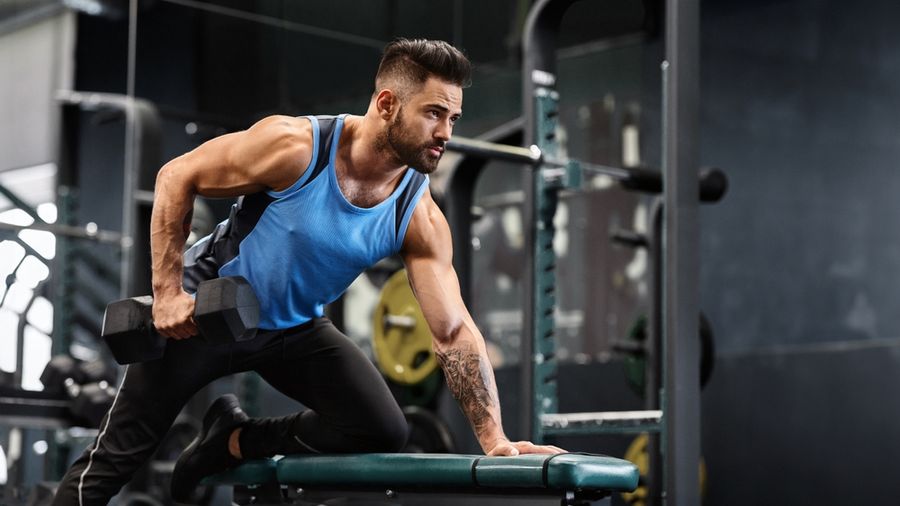
Progressive overload strength training focuses on gradually increasing the challenge placed on muscles over time. This can mean lifting heavier weights, doing more repetitions, increasing sets, or improving form and control. The goal is steady progression rather than constantly changing workouts.
This style is popular because it builds strength, improves body composition, and supports long-term physical health. Strength training also helps protect joints and bones, especially as people age. Progressive overload works best with consistency and patience. Tracking lifts or reps makes progress visible and motivating. Sessions can be done with free weights, machines, or resistance bands. When paired with good recovery and nutrition, progressive overload creates sustainable improvements without requiring extreme workouts.
Pilates and Core-Focused Training
Pilates is a low-impact workout style centered on controlled movements, posture, breathing, and core strength. It emphasizes alignment, stability, and muscle engagement rather than high intensity. Many Pilates exercises focus on the deep core muscles, hips, glutes, and back, helping improve balance and functional strength.
Pilates is popular for building body awareness and supporting injury prevention. It can help with posture, flexibility, and overall movement quality. This style works well for beginners, people returning to exercise, or anyone wanting a gentler yet effective approach. Pilates can be done on a mat at home or on specialized equipment in a studio. Consistency leads to noticeable improvements in control, strength, and mobility.
Yoga and Mobility-Based Workouts
Yoga combines movement, breathing, and mindfulness while improving flexibility, strength, and balance. Styles range from slow and restorative to more athletic forms like vinyasa or power yoga. While yoga is often associated with flexibility, it can also build muscular endurance through sustained holds and controlled transitions.
Mobility-focused workouts share similar goals, emphasizing joint range of motion and movement quality. This style supports daily comfort, athletic performance, and injury prevention. Yoga and mobility training are popular because they reduce stress while improving physical function. They also pair well with more intense workouts by supporting recovery and reducing stiffness. For many people, yoga becomes both a workout and a mental reset, making it easier to maintain over time.
Steady-State Cardio
Steady-state cardio involves maintaining a moderate pace for a longer period of time. Activities include brisk walking, jogging, cycling, swimming, or using an elliptical. The effort level is challenging enough to raise the heart rate, but manageable enough to sustain for 20 to 60 minutes.
This style is popular because it supports heart health, endurance, and stress relief. It can also be easier to recover from than very high-intensity training. Steady-state cardio pairs well with strength training and helps build a strong fitness base. It is also accessible, since walking counts and requires little equipment. For people who enjoy routines, steady-state cardio can feel calming and predictable. Over time, it supports stamina and overall energy levels in daily life.
Group Fitness and Functional Training
Group fitness includes instructor-led classes such as dance workouts, spin, bootcamp, barre, and circuit training. The structure and social environment often boost motivation, making it easier to show up consistently. Many classes combine cardio and strength elements, offering variety in a guided format.
Functional training focuses on movements that mimic daily life, such as squats, lunges, pushing, pulling, and carrying. This style improves strength, coordination, and stability in ways that support real-world activity. Functional training is popular because it builds practical fitness rather than only aesthetic goals. Both approaches can be adjusted for different levels. The best part is accountability—having a class, coach, or community can make exercise feel more enjoyable and consistent.
Building a Workout Routine You’ll Actually Enjoy
The best workout style is the one you can do consistently. Enjoyment is not a bonus; it is the reason habits stick. Start by choosing a style that matches your personality and energy. If intensity feels exciting, HIIT or group classes may fit. If calm and control feel better, yoga or Pilates may be more sustainable. Strength training works well for long-term progress when the structure feels motivating.
Experimentation helps. Trying a few different styles gives clarity on what feels good in your body and schedule. Mix-and-match routines also work, such as strength training with steady-state cardio and a weekly yoga session. When workouts feel like a positive part of life rather than a punishment, consistency becomes easier, and results follow naturally.