

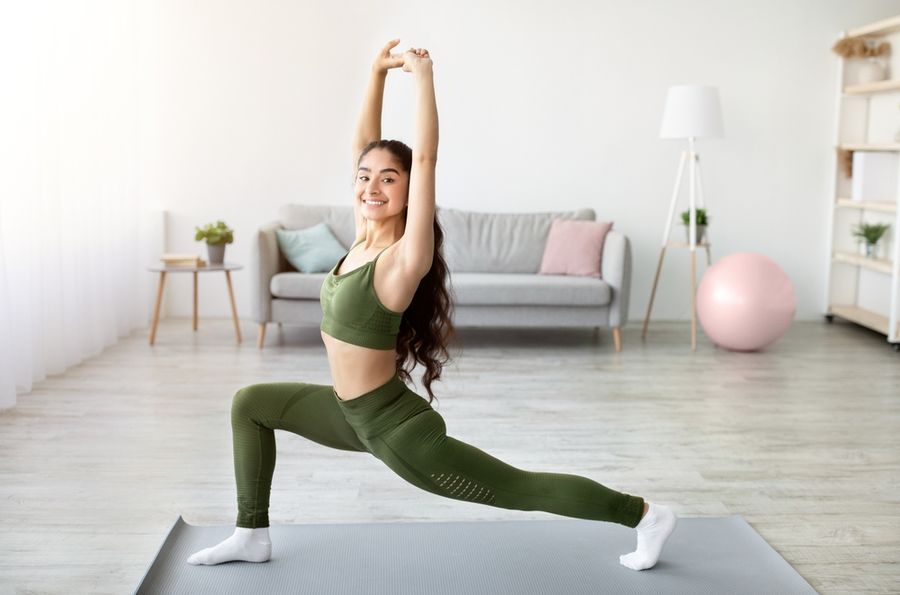
Staying active doesn’t require expensive equipment, crowded workout floors, or monthly fees. Movement can be built naturally into daily life through simple, accessible activities that support strength, endurance, and overall health. When exercise feels flexible and approachable, it becomes easier to maintain long-term. From outdoor movement to at-home routines, there are countless ways to stay active without stepping inside a gym while still supporting physical and mental well-being.
Walking as a Foundation for Daily Movement
Walking is one of the most accessible and effective forms of physical activity. It supports cardiovascular health, improves mood, and strengthens muscles without placing excessive strain on joints. Regular walking can be adapted to almost any fitness level, making it easy to maintain consistency. Even short walks spread throughout the day contribute to overall movement goals.
Walking also fits naturally into daily routines. Strolling through neighborhoods, walking during phone calls, or choosing stairs over elevators adds movement without feeling like formal exercise. Over time, pace and distance can gradually increase to build endurance. Walking outdoors adds the bonus of fresh air and mental refreshment, making it both physically beneficial and emotionally restorative.
Outdoor Cardio Options Beyond Walking
Outdoor exercise offers variety and flexibility while providing powerful cardiovascular benefits. Jogging, biking, and swimming are excellent options that strengthen the heart and lungs while engaging different muscle groups. Jogging builds endurance and leg strength, while cycling supports joint-friendly cardio that can be adjusted for intensity. Swimming offers full-body resistance with minimal impact, making it ideal for many fitness levels.
Outdoor workouts also help reduce stress and boost motivation. Changing scenery keeps movement interesting and engaging. Trails, parks, lakes, and open roads become natural fitness spaces. Exposure to sunlight and nature supports mood and energy, making outdoor activity a sustainable alternative to structured gym workouts.
Strength Training Using Bodyweight
Strength training does not require machines or heavy weights. Bodyweight exercises build muscle, improve balance, and support joint stability using resistance created by your own body. Movements such as squats, lunges, push-ups, planks, and glute bridges engage multiple muscle groups at once.
Bodyweight workouts are highly adaptable. Exercises can be modified to increase or decrease difficulty depending on experience and comfort. Short routines performed several times a week help maintain muscle mass and functional strength. Strength training at home also allows flexibility in timing, making it easier to stay consistent without needing specialized equipment or dedicated workout spaces.
Online Workout Videos and Digital Classes
Online workout videos offer guided structure without requiring a gym membership. Platforms provide a wide range of options, including yoga, pilates, HIIT, dance, strength training, and mobility workouts. Many routines require minimal or no equipment and can be completed in small spaces.
Following video-led workouts helps maintain accountability and proper form. Instructors provide cues, pacing, and motivation, making workouts feel engaging and organized. Online classes also allow experimentation with different styles to find what feels enjoyable. This flexibility supports long-term adherence and makes exercise more accessible for busy or unpredictable schedules.
Making Daily Activities More Active
Physical activity extends beyond traditional workouts. Household chores, yard work, and everyday tasks can significantly contribute to movement goals. Activities like gardening, cleaning, carrying groceries, and home projects elevate heart rate and engage muscles.
Intentional movement choices throughout the day add up. Standing while working, stretching during breaks, or performing light exercises while watching television increases activity without disrupting routines. Treating daily movement as valuable exercise reduces pressure to schedule formal workouts and helps build a more active lifestyle naturally and consistently.
Staying Motivated Without a Gym Routine
Motivation often improves when exercise feels enjoyable rather than obligatory. Without a gym schedule, it becomes easier to personalize routines based on energy levels, preferences, and goals. Choosing activities that feel fun increases the likelihood of long-term consistency.
Tracking progress through steps, time spent moving, or personal milestones can help maintain motivation. Mixing different activities prevents boredom and reduces burnout. Social connections, such as walking with friends or joining virtual fitness communities, add accountability and enjoyment. Flexibility allows exercise to adapt alongside life changes rather than becoming another source of stress.
Building a Sustainable Active Lifestyle
Staying active without a gym membership is both achievable and empowering. By integrating movement into daily life through walking, outdoor exercise, strength training, and digital resources, physical activity becomes more accessible and flexible. Small, consistent efforts add up over time and support overall health.
An active lifestyle does not depend on equipment or location. It grows from habits that feel realistic and enjoyable. When movement is woven naturally into daily routines, staying active becomes less about structure and more about sustainability, supporting long-term physical and mental well-being.