

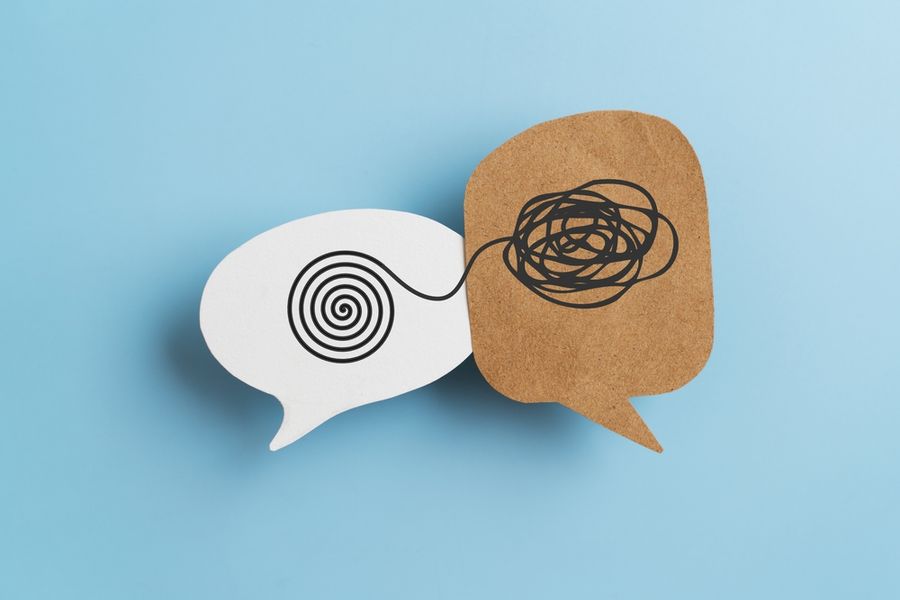
Stress touches nearly every part of daily life, often showing up quietly before becoming overwhelming. While short bursts of stress can be motivating, ongoing pressure takes a toll on both physical and mental health. The body responds automatically to challenges, but without relief, that response can linger longer than intended. Understanding how stress works (and learning practical ways to manage it) helps protect long-term well-being and restore a sense of balance.
What Stress Is and Why Your Body Reacts
Stress is a natural response to change or challenge. When something demands attention, the body releases hormones like cortisol and adrenaline to prepare for action. Heart rate increases, muscles tense, and senses sharpen. This reaction, often called the fight-or-flight response, is designed to keep you safe in the moment.
Problems arise when stress becomes constant. Repeated activation of the stress response keeps the body in a heightened state, even when no immediate threat exists. Over time, this wear and tear affects multiple systems. Instead of helping you cope, chronic stress drains energy, disrupts balance, and makes it harder for the body to recover.
How Stress Impacts the Heart and Circulation
Stress places a significant strain on the cardiovascular system. Elevated stress hormones raise heart rate and blood pressure, forcing the heart to work harder. When this pattern continues, it increases the risk of high blood pressure, heart disease, and stroke.
Stress can also influence cholesterol levels and contribute to inflammation in blood vessels. Combined with other risk factors, chronic stress quietly undermines heart health. Managing stress supports healthier circulation and gives the cardiovascular system time to return to a more stable, rested state.
Stress and Its Effects on Digestion and Immunity
The digestive system is highly sensitive to stress. Ongoing tension can disrupt appetite, digestion, and nutrient absorption. Some people experience stomach pain, bloating, or changes in weight when stress becomes persistent.
Stress also weakens immune function. When the body focuses on managing stress hormones, it becomes less efficient at fighting illness. This can lead to more frequent colds, slower recovery, and increased inflammation. Supporting digestion and immunity often begins with reducing chronic stress and restoring balance throughout the body.
The Mental and Emotional Toll of Chronic Stress
Stress affects the brain as much as the body. Chronic stress can interfere with memory, focus, and decision-making. Many people notice increased irritability, anxiety, or feelings of sadness when stress goes unmanaged.
Sleep problems are also common. Stress makes it harder to fall asleep and stay asleep, which compounds emotional fatigue. Over time, this cycle can increase the risk of anxiety disorders and depression. Addressing stress helps protect mental clarity, emotional stability, and overall cognitive health.
Physical Signs Your Body Is Under Stress
Stress often shows up through physical symptoms before it is recognized mentally. Headaches, muscle tension, jaw clenching, and unexplained aches are common warning signs. Fatigue that does not improve with rest may also indicate ongoing stress.
Skin reactions, such as hives or rashes, can appear during periods of intense pressure. Changes in breathing patterns or chest tightness may occur as well. Paying attention to physical cues allows for earlier intervention before stress becomes overwhelming or chronic.
Simple Ways to Manage Stress Daily
Managing stress does not require drastic changes. Small, consistent habits make a meaningful difference. Movement supports both heart and mental health, even when limited to short walks or stretching. Physical activity helps regulate stress hormones and improve mood.
Other effective tools include deep breathing, reducing screen time before bed, and prioritizing sleep. Social connection plays a powerful role as well; reaching out to friends or loved ones can quickly lower stress levels. Finding moments to pause, breathe, and reset helps the body shift out of constant alert mode.
Creating a Healthier Relationship With Stress
Stress cannot be eliminated entirely, but it can be managed thoughtfully. Understanding how stress affects the body empowers better choices and healthier boundaries. When stress is acknowledged early, its impact becomes easier to control.
Building daily stress-management habits supports resilience over time. With consistent care, the body regains its ability to recover, rest, and respond more calmly to challenges. A healthier relationship with stress allows life’s demands to feel manageable rather than overwhelming, supporting both physical health and emotional well-being.