

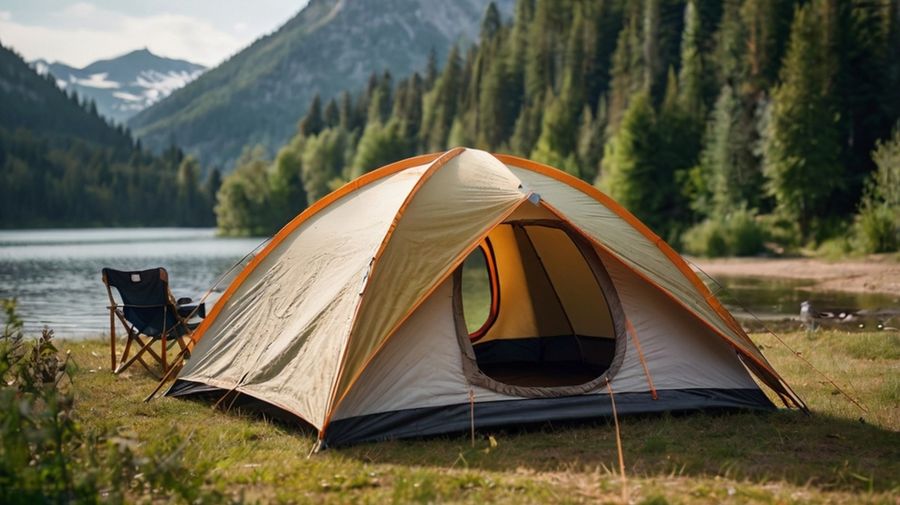
Camping for the first time is exciting, but packing can feel overwhelming without the comforts of home. Being prepared makes the difference between a relaxing outdoor experience and unnecessary stress. The right gear helps you stay comfortable, safe, and organized while enjoying nature. A thoughtful packing approach ensures essentials are covered without overloading your car, allowing you to focus on fresh air, good food, and memorable moments around the campsite.
Shelter and Sleep Essentials
A reliable tent is the foundation of any camping trip. Choose one that fits the number of campers comfortably and offers weather protection. Practice setting it up at home to avoid frustration at the campsite. A ground tarp or footprint adds extra protection from moisture and wear.
Sleep quality matters more than many first-time campers expect. A sleeping bag rated for the season keeps temperatures comfortable overnight. Pair it with a sleeping pad to provide insulation and cushioning from the ground. Adding a compact pillow or using a stuff sack filled with clothes improves rest, making mornings more enjoyable.
Camp Furniture and Comfort Items
Camp chairs add comfort and make downtime more enjoyable. Lightweight, foldable chairs provide a place to relax, eat, or sit by the fire without resorting to logs or the ground. A small folding table can also be helpful for food prep or games.
Comfort items help create a welcoming campsite. Blankets add warmth during cool evenings, while a doormat or small rug keeps dirt out of the tent. Though optional, familiar comforts enhance the experience and reduce fatigue, especially on longer trips or when camping with beginners.
Cooking Gear and Eating Supplies
A portable stove simplifies meal preparation, especially where campfires are restricted. Bring fuel, a lighter or matches, and basic cookware suited to simple meals. Planning easy recipes reduces the amount of gear needed and makes cleanup faster.
Eating supplies should be durable and reusable. Plates, bowls, cups, and utensils designed for camping are lightweight and easy to pack. A small cutting board, sponge, and biodegradable soap help with cleanup. Storing everything in a single bin keeps the cooking area organized and efficient.
Food and Water Planning
Food choices should balance convenience and nutrition. Non-perishable items, pre-cut ingredients, and simple meals reduce preparation time. Snacks are especially important for energy throughout the day. Packing food in sealed containers prevents spills and keeps wildlife away.
Water is essential and often underestimated. Bring enough drinking water for the entire trip, along with extra for cooking and cleaning. If potable water is unavailable, a water filtration system or purification tablets provide backup. Staying hydrated supports comfort and safety, especially during physical activity.
Clothing and Personal Items
Proper clothing depends on the weather and location. Layering is key, allowing adjustments for temperature changes throughout the day. Pack moisture-wicking base layers, insulating mid-layers, and a weather-resistant outer layer. Comfortable shoes suited for walking or hiking are essential.
Personal items keep routines familiar. Toiletries, towels, and personal medications should be packed in waterproof bags. A small toiletry kit keeps essentials accessible. Including a headlamp or flashlight in personal gear ensures visibility after dark and reduces reliance on shared lighting.
Safety, Lighting, and Protection
Lighting improves safety and convenience at night. Headlamps keep hands free, while lanterns illuminate shared spaces. Extra batteries or rechargeable power sources prevent interruptions. Adequate lighting reduces trip hazards and makes evening activities easier.
Protection from the elements is just as important. Bug spray helps prevent bites, while sunscreen protects exposed skin. A basic first aid kit prepares you for minor injuries. Together, these items create a safer, more comfortable environment that allows you to enjoy the outdoors with confidence.
Enjoying the Outdoors With Confidence
Packing thoughtfully sets the tone for a successful first camping trip. When essentials are covered, attention shifts away from problem-solving and toward enjoying the experience. Comfort, safety, and preparation work together to reduce stress and create space for relaxation, exploration, and connection with nature. Feeling prepared builds confidence, making the outdoors feel welcoming rather than intimidating.
As experience grows, packing becomes more intuitive and personal. Each trip teaches what truly matters for comfort, convenience, and enjoyment. Over time, packing lists become simpler, trips feel smoother, and confidence replaces uncertainty. With the right preparation, camping transforms from a logistical challenge into a rewarding way to slow down, disconnect, and enjoy time outside.